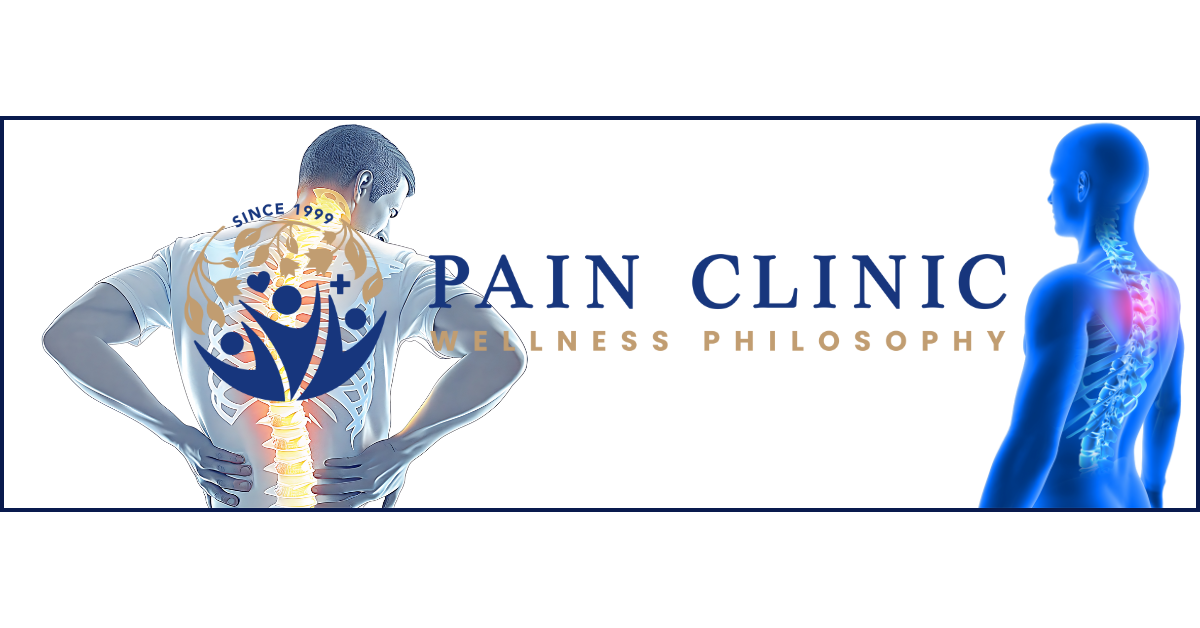
Posture dysfunction, also known as poor posture, occurs when the spine is consistently held in a misaligned position. Common patterns include:
- Forward head posture
- Rounded shoulders
- Excessive lower-back curvature (hyperlordosis)
- Hips positioned behind the knees when standing
When the body remains in these positions for long periods, excessive pressure is placed on joints, muscles, discs, nerves, and other soft tissues. Over time, this misalignment can worsen pre-existing pain conditions, cause recurrent injuries, and trigger chronic musculoskeletal imbalances.
How Poor Posture Impacts the Body
When your muscles adapt to a dysfunctional posture—especially over many months or years—muscle imbalances begin to develop. Tight or shortened muscles pull joints out of alignment, while weaker muscles struggle to stabilize the body.
This imbalance leads to:
- joint strain
- nerve irritation
- chronic stiffness
- compensatory movement patterns
If left untreated, a minor local issue can evolve into a neuro-musculoskeletal condition affecting distant areas of the body.
Symptoms of Posture Dysfunction
Common signs include:
- Bent knees when walking or standing
- Persistent headaches
- Muscle fatigue or heaviness
- Rounded or slouched shoulders
- Forward-leaning head
- Potbelly appearance due to weakened core
- General body aches and stiffness
- Lower or upper back pain
- Limited mobility during daily movements
These symptoms often worsen with long sitting or standing and improve with stretching or posture correction.
What Causes Posture Dysfunction?

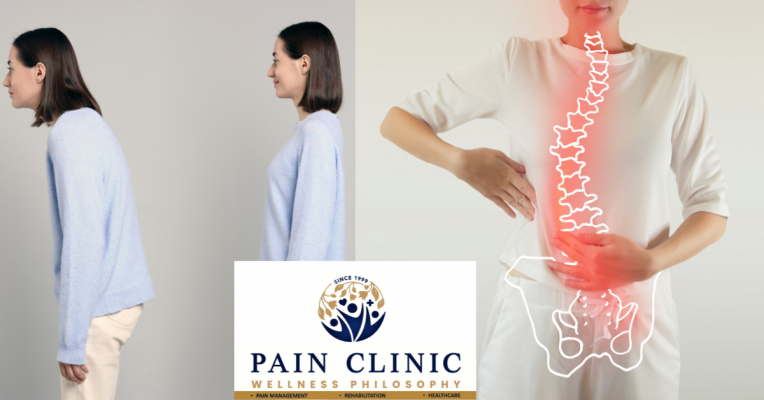
Posture dysfunction in Singapore has become increasingly common due to modern lifestyle habits. Research published in 2024 by the Journal of Occupational Health shows a sharp rise in musculoskeletal complaints linked to prolonged screen time and remote-work environments.
Major Causes
- Sedentary lifestyle
- Long hours of desk work (hunched over computers)
- Mobile phone overuse (“tech neck”)
- Poor ergonomic setup at work or home
- Muscle tightness from inactivity
- Weak core and glute muscles
- Joint stiffness from lack of movement
- Decreased general fitness levels
- Lack of awareness or education on proper posture
When your body holds poor positions for hours daily, the muscles adapt—tight muscles become tighter, weak muscles weaken further, and inflammation increases, leading to spasms, pain, and reduced mobility.
Factors That Contribute to Posture Dysfunction
- Limited understanding of posture health
- Sedentary lifestyle and inactivity
- Long periods of sitting
- Non-ergonomic chairs or desk setups
- Muscle tightness in the chest, hip flexors, and calves
- Weak back and core muscles
- Decreased fitness levels
- Joint mobility restrictions
How to Improve Your Posture
Improving posture requires a combination of habit change, stretching, strengthening, and ergonomic adjustments.
Practical Tips
- Take posture breaks every 1–2 hours
- Practice the “curve reversal” method—stretch in the opposite direction of your dominant daily posture
- Stretch 2–3 times a week to reduce stiffness and improve flexibility
- Strengthen your core, glutes, and upper back muscles
- Correct your posture consciously until it becomes a habit
Maintaining Good Posture Daily

- Use a lumbar roll or curved cushion when sitting
- Avoid soft, saggy chairs
- Remove your wallet from the back pocket before sitting
- Use a supportive mattress to keep your spine aligned
- Sleep on your back or side (avoid stomach sleeping)
- Use a firm pillow that supports the neck
- Switch to ergonomic chairs and workstations
- When lifting, keep the back straight and hinge at the hips
These habits reduce strain on your spine, improve comfort, and lower injury risk.
Therapy Programs and Interventions at Wellness Philosophy Singapore
Our clinic uses a holistic, Non-surgical approach rooted in functional medicine, physiotherapy principles, and up-to-date rehabilitative research.
1. Lifestyle Modification & Posture Assessment
Our consultants will conduct a detailed assessment of:
- your daily habits
- sleep routine
- diet
- work ergonomics
- physical activity pattern
- movement quality
We then design a personalized program addressing:
- muscle tension
- joint stiffness
- mobility restrictions
- pain triggers
- strengthening needs
This ensures not just recovery, but long-term prevention.
2. Shockwave Therapy for Posture-Related Pain

Shockwave therapy is a clinically validated, non-invasive treatment that helps:
- reduce joint and soft-tissue inflammation
- improve muscle imbalances
- enhance blood circulation
- break down scarred or fibrotic tissue
- accelerate healing
Studies from 2024–2025 indicate significant improvement in posture-related back and neck pain after 3–6 sessions.
3. Physiotherapy-Based Corrective Exercise Program
Our rehab specialists will guide you through targeted exercises to:
- strengthen weak muscles (core, back extensors, glutes)
- mobilize stiff joints
- correct faulty movement patterns
- relieve nerve tension
- improve balance and alignment
These corrective exercises address the root cause of poor posture, not just the symptoms.
4. Nutritional Supplement Support
Nutrition plays a key role in Musculoskeletal Health.
Innate Care: Vitamin B12

A deficiency in B12 can result in:
- muscle weakness
- poor reflexes
- reduced metabolic function
- nerve damage
- slower recovery
- fatigue
B12 helps:
- form healthy red blood cells
- improve muscle mass
- support brain function
- enhance bone health
- strengthen hair, skin, and nails
Innate Care: Vitamin D3

Vitamin D supports:
- muscle strength and mass
- bone density
- reduced inflammation
- faster muscle recovery
- lower risk of sarcopenia
These supplements complement therapy by improving your body’s capacity to heal and strengthen.
Take the First Step Toward Better Posture & Pain-Free Living
Whether you’re experiencing chronic back pain, fatigue, stiffness, or posture-related discomfort, our team can help you improve alignment, mobility, and long-term wellbeing.
📞 CALL US FOR INQUIRIES: 6223-7170
or
📅 Book a consultation online
Frequently Ask Questions (FAQ) :